Living with depression can feel emotionally exhausting, especially when symptoms begin affecting your daily life, relationships, work, or motivation. Many people searching for “outpatient programs for depression near me” are looking for support that is structured, compassionate, and effective without requiring hospitalization.
The good news is that outpatient mental health care can provide meaningful support while allowing individuals to continue managing daily responsibilities at home, work, or school.
Understanding how outpatient depression programs work can help you make informed decisions about your mental health journey.
What Are Outpatient Programs for Depression?
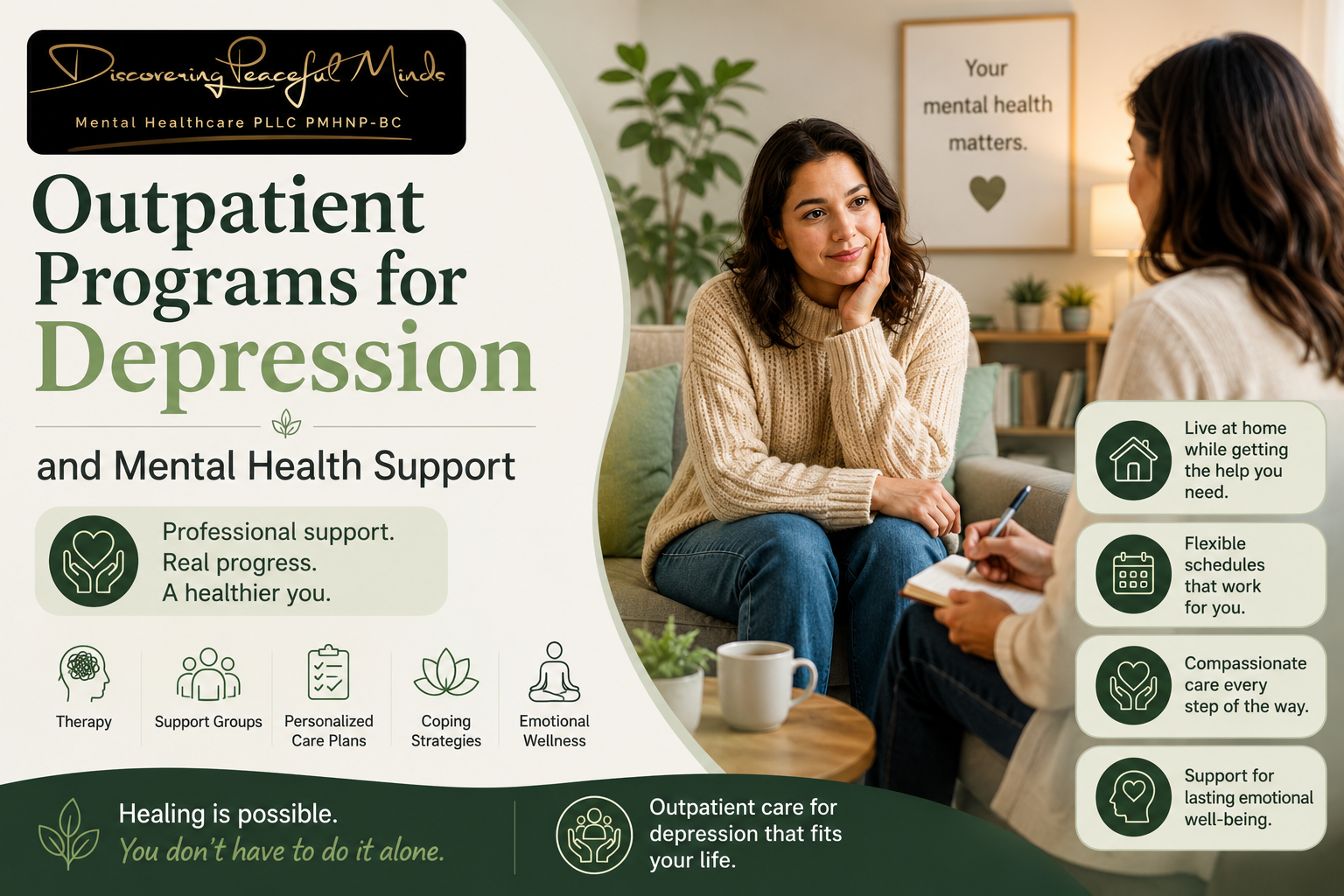
Outpatient programs for depression near me are mental health treatment services designed to help individuals manage depression symptoms while continuing to live at home.
Unlike inpatient treatment, outpatient care does not require overnight stays. Instead, individuals attend scheduled appointments, therapy sessions, or structured programs during the week.
These programs may include:
- Individual therapy
- Group counseling
- Medication management
- Emotional support services
- Stress management techniques
- Behavioral therapy
Many people choose outpatient treatment because it provides flexibility while still offering professional mental health support.
Who Can Benefit From Outpatient Depression Treatment?
Outpatient depression treatment may help individuals experiencing:
- Persistent sadness
- Loss of motivation
- Anxiety and emotional overwhelm
- Difficulty functioning daily
- Mood changes
- Stress-related emotional struggles
Outpatient care can be beneficial for people who:
- Need more support than occasional therapy
- Want structured mental health treatment
- Prefer treatment without hospitalization
- Are transitioning from intensive care programs
Seeking support early can help prevent symptoms from becoming more severe over time.
Types of Mental Health Outpatient Programs
There are several types of mental health outpatient programs, depending on individual needs and symptom severity.
Individual Therapy
One-on-one counseling sessions help individuals:
- Explore emotions
- Understand thought patterns
- Develop coping skills
- Address depression triggers
Therapy creates a safe space for emotional healing and support.
Group Therapy Programs
Some therapy programs for depression include group support sessions where individuals connect with others experiencing similar emotional struggles.
Group therapy may help reduce feelings of isolation and encourage emotional support.
Medication Management
For some individuals, medication may play an important role in treatment.
Medication management services may help:
- Monitor symptoms
- Adjust treatment plans
- Improve emotional stability
- Reduce depression symptoms
A mental health provider can determine whether medication support may be appropriate.
Intensive Outpatient Programs (IOP)
Intensive outpatient care offers more structured support while still allowing individuals to live at home.
These programs may involve:
- Multiple therapy sessions weekly
- Group counseling
- Behavioral support
- Emotional wellness planning
IOPs are often recommended for individuals needing additional emotional support without inpatient hospitalization.
Benefits of Outpatient Mental Health Care
Many individuals searching for outpatient mental health care are looking for flexible treatment options that fit their lifestyle.
Some key benefits include:
Flexibility
Appointments can often be scheduled around work, school, or family responsibilities.
Ongoing Support
Consistent mental health care can improve emotional stability over time.
Lower Stress Environment
Receiving treatment while remaining in familiar surroundings may feel more comfortable for many people.
Personalized Treatment Plans
Outpatient programs are often tailored to individual emotional and mental health needs.
How to Choose the Right Depression Treatment Program
Choosing the right depression treatment programs near me can feel overwhelming at first.
Here are a few important things to consider:
Provider Experience
Look for mental health professionals experienced in treating:
- Depression
- Anxiety
- Mood disorders
- Emotional stress
Therapy Options
Different programs may offer:
- CBT (Cognitive Behavioral Therapy)
- DBT (Dialectical Behavior Therapy)
- Group counseling
- Medication management
Understanding available services can help you choose the right fit.
Insurance and Accessibility
Before scheduling appointments:
- Verify insurance coverage
- Ask about telehealth options
- Confirm appointment availability
Signs You May Need Additional Mental Health Support
Many people delay treatment because they believe they should “handle it alone.”
However, seeking support early can make a meaningful difference.
Consider professional help if:
- Depression affects work or school
- Emotional struggles interfere with relationships
- Motivation feels consistently low
- Daily tasks feel overwhelming
- Anxiety and sadness continue worsening
Professional support is a sign of strength, not weakness.
The Importance of Compassionate Mental Health Care
Effective treatment is not only about therapy techniques or medication. Compassionate care matters too.
Feeling:
- Heard
- Supported
- Understood
- Safe during treatment
can improve emotional healing and long-term recovery.
Mental health support should focus on the whole person, not just symptoms.
Can Outpatient Programs Really Help Depression?
Yes. Many people experience significant improvement through structured depression support programs and ongoing therapy.
Benefits may include:
- Improved emotional regulation
- Better coping strategies
- Increased self-awareness
- Healthier routines
- Reduced emotional distress
Recovery looks different for everyone, but consistent support can help create positive long-term change.
Lifestyle Habits That Support Depression Recovery
Along with professional care, healthy routines may support emotional wellness.
Helpful habits include:
- Regular sleep schedules
- Physical activity
- Mindfulness practices
- Journaling
- Reducing chronic stress
- Building supportive relationships
These habits work best alongside professional treatment and emotional support.
Final Thoughts
Searching for “outpatient programs for depression near me” is often the first step toward emotional healing and support.
Outpatient mental health programs provide flexible, compassionate care that can help individuals manage depression symptoms while maintaining daily responsibilities.
Whether through therapy, medication management, or emotional support services, the right care can help individuals move toward greater emotional wellness and stability.
You do not have to face depression alone.
FAQs About Outpatient Programs for Depression Near Me
1. What are outpatient programs for depression?
Outpatient programs provide structured mental health treatment for depression without requiring hospitalization.
2. How does outpatient depression treatment work?
Individuals attend therapy sessions, counseling, or medication management appointments while continuing to live at home.
3. Are outpatient mental health programs effective?
Yes, many people benefit from structured emotional support, therapy, and treatment planning.
4. What services are included in outpatient mental health care?
Programs may include therapy, group counseling, medication management, and emotional wellness support.
5. When should someone consider depression treatment programs near me?
Treatment may help when depression affects daily life, relationships, work, or emotional well-being.